Medical Cannabis for Chronic Pain: What the Evidence Says

Chronic pain is one of the most common reasons patients seek medical cannabis treatment in the UK. This article examines what scientific evidence tells us about cannabis effectiveness for pain management, and what patients can realistically expect from treatment.
What Is Chronic Pain?
Chronic pain is pain that persists for longer than 12 weeks, even after the initial injury has healed. It affects approximately 8 million adults in the UK and significantly impacts quality of life for many.

Types of chronic pain that people seek cannabis for include:
- Neuropathic pain (nerve pain)
- Musculoskeletal pain (back, joints, muscles)
- Post-surgical pain
- Cancer-related pain
- Migraines and headaches
- Inflammatory pain conditions
How Does Cannabis Work for Pain?
Cannabis contains over 100 active compounds called cannabinoids. The two most researched are:
CBD (Cannabidiol)
CBD is non-intoxicating and works through multiple mechanisms:
- Anti-inflammatory effects
- Reduces pain signaling
- May reduce anxiety associated with pain
- Supports sleep improvement
THC (Tetrahydrocannabinol)
THC is the intoxicating compound and has its own pain-relief properties:
- Directly reduces pain perception
- Enhances mood and reduces depression from chronic illness
- May improve sleep quality
- Works synergistically with CBD
Most medical cannabis treatments for pain use a combination of both compounds rather than one alone.
What Does the Research Show?
The scientific evidence for cannabis and chronic pain is encouraging, though research is still ongoing:
Neuropathic Pain
The strongest evidence exists for neuropathic pain. Multiple clinical trials and meta-analyses show cannabis can provide significant relief for conditions like:
- Diabetic neuropathy
- Post-stroke pain
- Multiple sclerosis pain
- Chemotherapy-induced peripheral neuropathy
Studies suggest 30-50% of patients experience clinically significant pain reduction.
Musculoskeletal Pain
Evidence for muscle and joint pain is developing. Recent studies suggest cannabis may help with:
- Back pain
- Arthritis pain
- General muscle pain
However, more research is needed to establish clear efficacy rates.
Cancer Pain
Cannabis shows promise for cancer pain management, both in terms of pain relief and reducing nausea from chemotherapy. It may also help reduce opioid requirements in some patients.
Migraines and Headaches
Emerging research suggests cannabis may help reduce migraine frequency and severity, though clinical trials are still limited.
Types of Pain That Respond Best
Research shows cannabis works better for certain pain types:
Most Responsive Pain Types
- Neuropathic Pain (nerve pain): Diabetic neuropathy, post-herpetic neuralgia, trigeminal neuralgia. Cannabis directly targets nerve pain mechanisms - success rate 40-60%.
- Post-Surgical Pain: Pain persisting months after surgery. Cannabis helps with both inflammatory and nerve components - success rate 35-50%.
- Multiple Sclerosis Pain: Often combines neuropathic and musculoskeletal components. MS patients report 50-70% improvement.
- Cancer Pain: Particularly when combined with chemotherapy effects. Cannabis helps both pain and related nausea - success rate 40-55%.
Moderately Responsive Pain Types
- Fibromyalgia: Widespread musculoskeletal pain - success rate 25-40%
- Back Pain: Particularly when combined with muscle tension - success rate 30-45%
- Arthritis Pain: Both osteoarthritis and rheumatoid arthritis - success rate 25-35%
Specific Strain Recommendations for Pain
While strain selection is less important than CBD:THC ratio, some strains have particular characteristics for pain management:
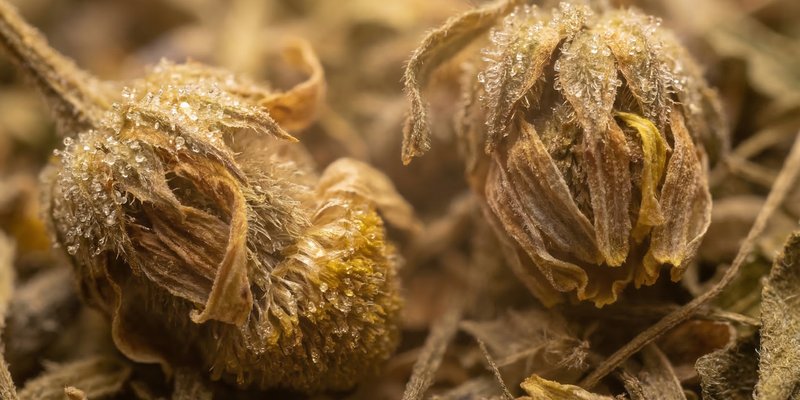
- High-CBD strains: Cannatonic, Harlequin - better for inflammatory pain without much intoxication
- Balanced strains: ACDC, Pennywise - good for mixed pain types with moderate THC
- THC-dominant strains: Medical strains like MediHaze - stronger pain relief but with psychoactive effects
Your specialist will recommend specific strains based on your pain type and tolerance.
Dosing Protocols for Chronic Pain
Pain management typically follows a structured dosing approach:
- Week 1-2 "Start Low": Begin with 5-10mg THC daily, typically in evening
- Week 3-4 "Go Slow": Increase to 10-15mg daily if tolerated
- Week 5-8: Titrate to therapeutic dose based on pain response (typically 15-30mg daily)
- Maintenance: Stabilize at effective dose and monitor for tolerance development
Some patients do well on lower doses, others need higher amounts. The goal is finding your minimum effective dose.
Cannabis vs Opioids for Chronic Pain
Cannabis offers several advantages over traditional opioid pain management:
- Lower addiction potential: Cannabis has minimal addiction liability compared to opioids
- No respiratory depression: Cannabis doesn't slow breathing like opioids
- Additional benefits: Cannabis often improves sleep and reduces anxiety that accompanies pain
- Fewer drug interactions: Fewer interactions with other medications than opioids
- Possible opioid reduction: Some patients can reduce opioid doses when using cannabis
Important note: Cannabis is not necessarily stronger than opioids, but it works through different mechanisms and has a better safety profile for long-term use.
Patient Outcome Statistics
Real-world patient data from UK clinics shows:
- 75% of chronic pain patients continue treatment after 6 months (indicating satisfaction)
- Average pain reduction: 35-45% improvement in pain scores
- 60% report improved sleep alongside pain relief
- 50% report reduced anxiety that was accompanying their pain
- 30-40% successfully reduce or eliminate other pain medications
Typical Pain Relief Outcomes
Patient experiences vary, but research and patient reports suggest:
- 30-50% of patients: Experience significant pain reduction (30-50% improvement)
- 20-30% of patients: Experience moderate improvement (10-30% reduction)
- 10-20% of patients: Experience minimal improvement or no relief
Improvement typically becomes noticeable within 2-4 weeks of starting treatment, though some patients notice changes within days.
Benefits Beyond Pain Relief
Cannabis often helps with related issues that accompany chronic pain:
- Sleep improvement: Many patients report better sleep quality
- Reduced anxiety: Chronic pain often causes anxiety, which cannabis can help address
- Reduced muscle tension: Cannabis can relax muscles and reduce spasticity
- Improved mood: Pain relief and better sleep often improve mood naturally
- Reduced opioid requirements: Some patients can reduce their opioid doses
Dosing for Pain Management
Cannabis dosing is highly individual. Specialists typically:
- Start with low doses and increase gradually ("start low, go slow")
- Find the minimum effective dose for each patient
- Typically use 5-20mg THC per dose, once or twice daily
- Adjust based on patient response and side effects
- Monitor for tolerance development over time
The optimal dose varies greatly between individuals based on weight, metabolism, and pain severity.
Product Options for Pain
Cannabis Oil (Sublingual)
Drops placed under the tongue. Effects begin within 15-30 minutes and last 4-6 hours. Ideal for steady pain management.
Dried Flower (Vaporized)
Faster onset (5-15 minutes) and shorter duration (2-4 hours). Good for breakthrough pain or acute flare-ups.
Capsules
Slower onset (1-2 hours) but longer duration (6-8 hours). Convenient for consistent daily dosing.
Oral Sprays
Quick onset with consistent dosing. Convenient for work or social settings.
Potential Side Effects
Side effects are generally mild and often diminish with continued use:
- Dizziness or lightheadedness (usually temporary)
- Dry mouth
- Fatigue (may be beneficial if sleep is improved)
- Impaired concentration (usually mild at therapeutic doses)
- Changes in appetite
- Mood changes (rare)
Serious side effects are very rare when used under medical supervision.
Can You Reduce Other Medications?
Some patients can reduce opioid, anti-inflammatory, or neuropathic pain medication doses once cannabis becomes effective. However:
- Always discuss medication changes with your specialist
- Reductions should be gradual and monitored
- Not everyone can reduce other medications
- Cannabis works best in combination with other pain management strategies
What Research Questions Remain?
While evidence is growing, gaps remain:
- Ideal THC:CBD ratios for different pain types
- Long-term efficacy and safety data
- Tolerance development over months and years
- Effectiveness for specific pain conditions
- Impact of different cannabinoid profiles
Realistic Expectations
If you're considering cannabis for pain, have realistic expectations:
- It's not a cure, but pain management tool
- It works best combined with physical therapy, exercise, and other strategies
- Finding your optimal dose takes time (usually 2-4 weeks)
- You may need to try different products
- Ongoing medical supervision is important
- Not everyone experiences significant improvement
Getting Started
If chronic pain is affecting your quality of life and standard treatments haven't worked:
- Check if you might qualify
- Gather medical records of your pain history and treatments tried
- Find a specialist in your area
- Book an initial consultation
- Be honest about your symptoms and what you've already tried
Medical Disclaimer
This article is for educational purposes only and not medical advice. While research on cannabis for pain is growing, clinical evidence is still developing. Always consult with a qualified healthcare professional before starting medical cannabis or changing pain management strategies. This information is accurate as of March 2026 but research and recommendations may evolve.