Cannabis Oil vs Flower: Which Is Right for You?
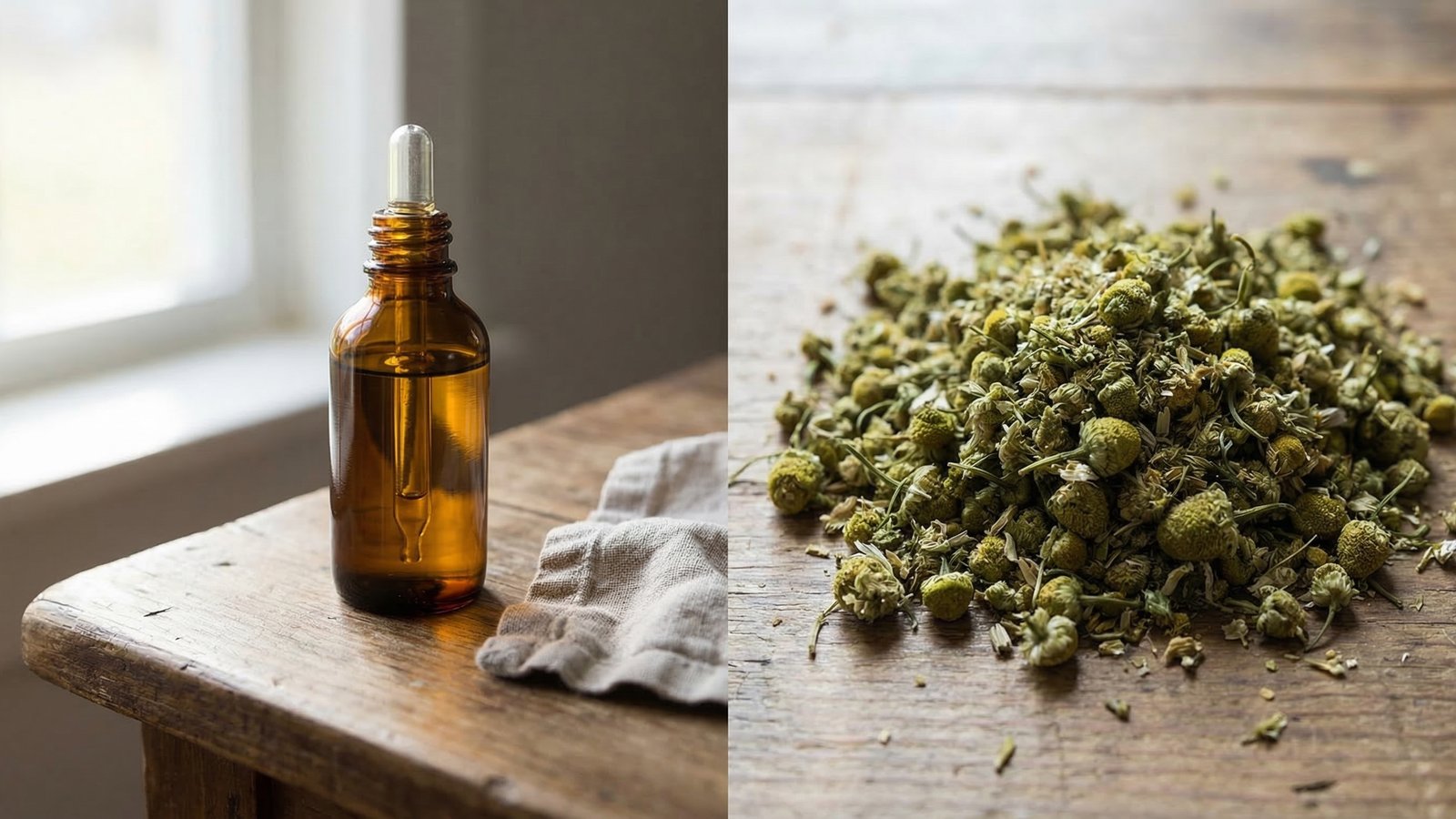
When starting medical cannabis treatment in the UK, one of the first decisions you'll make is which format to use: cannabis oil or dried flower. Each has distinct advantages and disadvantages. This guide helps you understand the differences and choose what's best for your situation.
Cannabis Oil (Sublingual Drops)
What Is It?
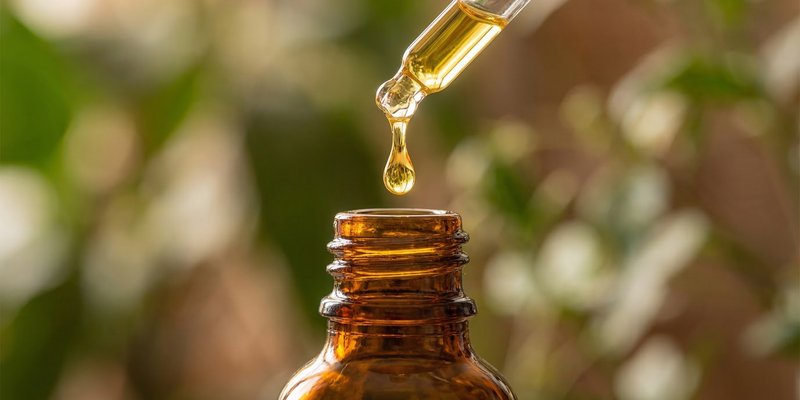
Cannabis oil is a concentrated extract dissolved in a carrier oil (usually coconut or hemp seed oil). It's typically administered as drops placed under the tongue (sublingual administration), where it's absorbed directly into the bloodstream.
Advantages
- Precise dosing: Each drop contains a measured amount of cannabinoids
- Easy to use: Simply place drops under tongue, no equipment needed
- Discreet: Looks like regular oil, easy to use in public
- Longer lasting: Effects typically last 4-6 hours
- Consistent effects: Predictable onset and duration
- No smoking required: Good for those with respiratory concerns
- Better for travel: Small bottle is portable and compliant with regulations
- Multiple cannabinoid options: Available in various THC/CBD ratios
Disadvantages
- Slower onset: Takes 15-30 minutes to feel effects (compared to vaporizing)
- May taste unpleasant: Cannabis has a distinctive taste
- Higher cost: Usually more expensive per dose than flower
- Less control over effects: Can't stop effects once taken
- May cause side effects: Some people experience headaches or nausea initially
Typical Dosing
- Strength: Typically 5-25mg THC/CBD per 1ml
- Initial dose: Often 5-10mg daily
- Therapeutic dose: Usually 10-30mg daily
- Maximum dose: Individual but often 100mg+ daily
Cost
- Typical monthly cost: £100-£250
- Per dose cost: Usually £0.50-£2.00 depending on strength
Dried Flower (Cannabis Buds)
What Is It?
Dried cannabis flower is the whole plant material (buds and leaves). In the UK, patients typically vaporize it (heat without burning) rather than smoke it, which is healthier and more efficient.
Advantages
- Faster onset: Effects begin within 5-15 minutes when vaporized
- Rapid adjustment possible: Can titrate dose more easily
- Better for breakthrough symptoms: Quick relief when needed
- More natural: Whole plant rather than extract
- Potentially lower cost: Often cheaper per dose than oils
- Aroma therapy benefit: Some patients find the aroma therapeutic
- Preserves terpenes: More aromatic compounds compared to some extracts
- Many strain options: Different strains offer different effects
Disadvantages
- Less precise dosing: Harder to measure exact cannabinoid amounts
- Requires equipment: Need a vaporizer (though this is a one-time cost)
- Shorter duration: Effects typically last 2-4 hours
- Less discreet: Vaporizing is noticeable, smell is distinctive
- Learning curve: Takes practice to vaporize properly
- Respiratory concerns: Even vaporizing can be problematic for some
- Less stable: Potency can vary between batches and storage conditions
- More complex to transport: Needs to be in airtight containers
Typical Dosing
- Strength: Typically 10-25% THC content
- Per dose: Usually 0.1-0.5g (using a vaporizer)
- Daily amount: Usually 0.5-2g depending on condition
Cost
- Typical monthly cost: £80-£200
- Per dose cost: Usually £0.30-£1.50
- Vaporizer cost: £50-£300 one-time purchase
Onset Times and Bioavailability
Understanding how quickly cannabis works (onset) and how much reaches your bloodstream (bioavailability) helps you choose the right format:

Cannabis Oil Bioavailability
Sublingual oils have relatively high bioavailability (20-30%) because they're absorbed directly through the mucous membranes under the tongue. This bypasses some metabolism, making effects more reliable. Onset is 15-30 minutes because the oil must diffuse through tissue.
Dried Flower Bioavailability
Vaporized flower has higher bioavailability (50-60%) because heating releases cannabinoids efficiently without combustion byproducts. Onset is faster (5-15 minutes) because vapor enters the lungs and bloodstream directly, but effects don't last as long because the body processes inhaled cannabinoids faster.
Cost Per Dose Comparison
When choosing between oil and flower, cost per dose matters:
- Cannabis Oil: Typically £0.50-£2.00 per 10mg dose. A 30ml bottle (£150-£250) lasts 2-4 weeks depending on dosing.
- Dried Flower: Typically £0.30-£1.50 per 0.25g dose. A 10g monthly supply (£80-£200) works out cheaper per dose but requires a vaporizer.
Over a year, flower is usually 20-30% cheaper than oil when you factor in the one-time vaporizer cost.
When Doctors Recommend Each Format
Specialists consider your specific situation when recommending format:
Doctors typically recommend oil for:
- Conditions requiring consistent, long-lasting relief (chronic pain, epilepsy)
- Patients with respiratory issues who shouldn't inhale anything
- Those needing precise, predictable dosing
- Patients who can't operate equipment (mobility issues)
- Those preferring simple, no-equipment treatment
Doctors typically recommend flower for:
- Patients needing rapid symptom relief (breakthrough pain, anxiety)
- Those who want maximum flexibility in dosing
- Conditions where cost is a major concern
- Patients wanting more strain variety
- Those comfortable with equipment and ritual
Storage Requirements
Different formats have different storage needs:
Cannabis Oil Storage
- Keeps in dark, cool place (15-20°C) for 6-12 months
- Sealed bottles are very stable
- Can be refrigerated for extended shelf life
- Minimal special equipment needed
Dried Flower Storage
- Must be stored in airtight containers
- Kept cool and dark to preserve cannabinoids and terpenes
- Typically lasts 4-8 weeks in proper conditions
- Requires airtight glass jars or containers to prevent degradation
Head-to-Head Comparison
| Factor | Cannabis Oil | Dried Flower |
|---|---|---|
| Onset Speed | 15-30 minutes | 5-15 minutes |
| Duration | 4-6 hours | 2-4 hours |
| Dosing Precision | Very precise | Approximate |
| Discretion | Very discreet | Less discreet |
| Cost (Monthly) | £100-£250 | £80-£200 |
| Equipment Needed | None | Vaporizer (~£50-£300) |
| Ease of Use | Very easy | Moderate (learning curve) |
| Respiratory Impact | None | Minimal when vaporized |
| Flavor | Unpleasant to some | Varies by strain |
| Flexibility | Moderate | High (easy to adjust dose) |
Choosing Based on Your Needs
Choose Cannabis Oil If You:
- Need precise, consistent dosing
- Want minimal equipment or setup
- Value discretion and easy travel
- Have respiratory concerns
- Need longer-lasting effects
- Prefer simplicity and ease of use
- Need steady, all-day relief
- Have mobility issues making vaporizing difficult
Choose Dried Flower If You:
- Need rapid symptom relief (breakthrough pain/panic)
- Want to adjust dose quickly based on how you feel
- Prefer a more natural, whole-plant product
- Want potentially lower costs
- Enjoy the ritual and control of vaporizing
- Want more strain variety and options
- Are comfortable with equipment setup
- Don't have respiratory limitations
Many Patients Use Both
Many medical cannabis patients use a combination approach:
- Daily oil: Cannabis oil as their main treatment for consistent symptom management
- As-needed flower: Dried flower vaporized for breakthrough symptoms requiring faster relief
This hybrid approach provides the benefits of both: consistent baseline treatment plus flexibility for acute symptoms.
Other Cannabis Formats
Beyond oil and flower, clinics may also offer:
Capsules
Pre-dosed cannabis in capsule form. Advantages: precise dosing, convenient, no taste. Disadvantages: slower onset than flower (1-2 hours), longer duration (6-8 hours), less flexibility for dose adjustment.
Oral Sprays
Cannabis extract in spray form applied under the tongue. Advantages: precise dosing, fast onset (10-20 minutes), discreet. Disadvantages: more expensive, may taste unpleasant.
Asking Your Specialist
When discussing format options with your doctor:
- Explain your symptoms and when relief is most needed
- Discuss your lifestyle and discretion preferences
- Ask about cost differences
- Inquire about starting with one format and adding another
- Discuss what happens if your first choice isn't working
- Ask about switching between formats
Getting Started
Ready to explore your options?
- Think about your lifestyle and symptom relief needs
- Find a clinic
- During consultation, discuss format preferences with your specialist
- Don't worry if your first choice isn't ideal—you can usually switch
- Follow your specialist's dosing recommendations
Medical Disclaimer
This article is for educational purposes only and not medical advice. Different cannabis formats work better for different people and conditions. Your specialist will recommend the best option based on your individual needs. This information is accurate as of March 2026 but products and availability may change. Always follow your doctor's guidance on format selection and dosing.