Do I Qualify for Medical Cannabis? Everything You Need to Know
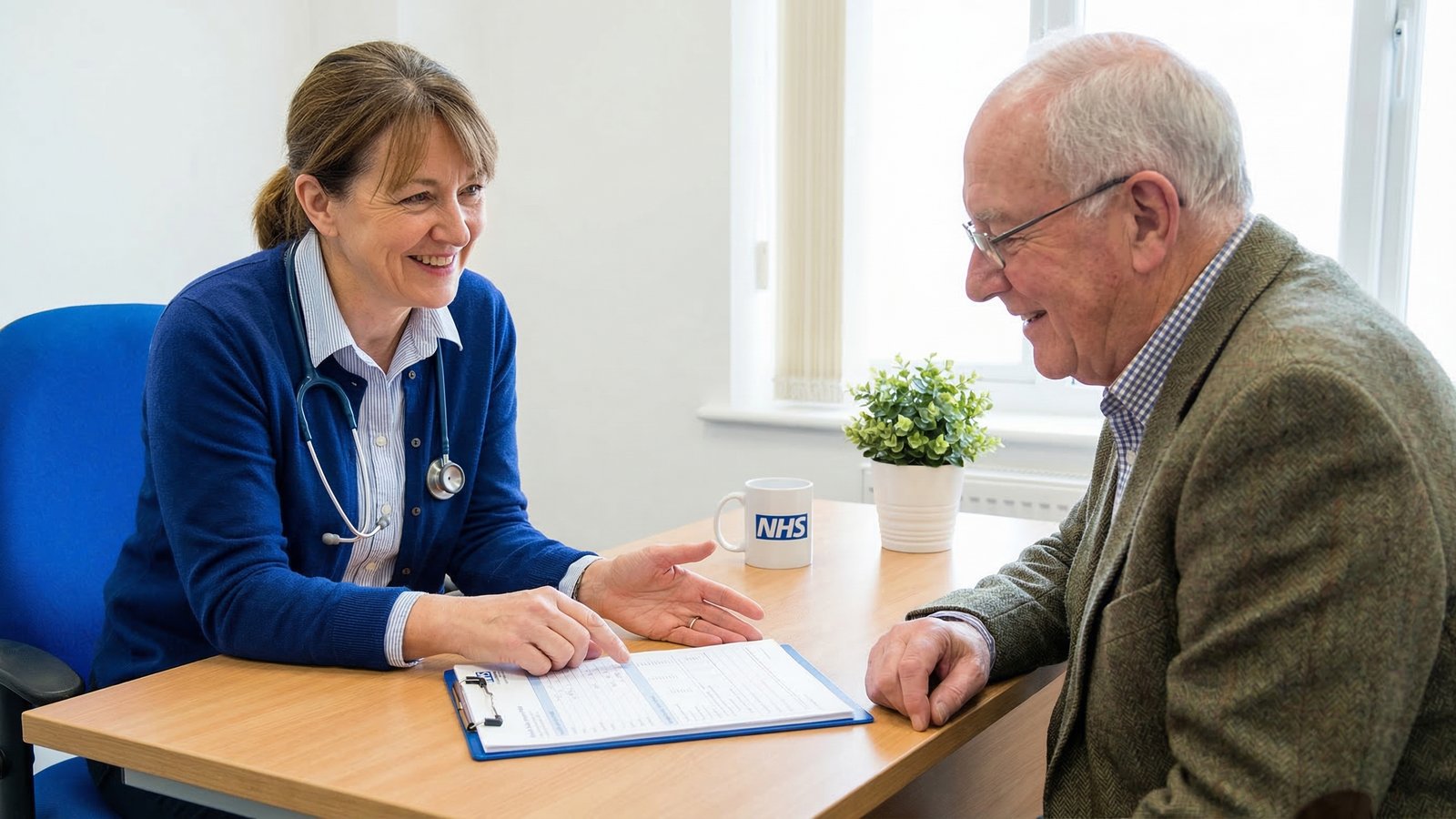
One of the first questions patients ask is whether they might qualify for medical cannabis treatment in the UK. The eligibility criteria have become clearer since medical cannabis was legalized in 2018, but there are still many misconceptions about who can access it.
The Basic Eligibility Criteria
To be eligible for medical cannabis in the UK, you generally need to meet ALL of the following:

- Have a medical condition that might benefit from cannabis treatment
- Have tried standard medical treatments first, which either didn't work or caused unacceptable side effects
- Be assessed by a specialist doctor registered with the GMC (General Medical Council)
- Have a condition where cannabis has evidence of effectiveness
- Be a UK resident able to access private healthcare
Commonly Qualifying Conditions
These conditions have the strongest evidence for medical cannabis effectiveness in the UK:
Neurological Conditions
- Epilepsy: Particularly drug-resistant epilepsy
- Multiple sclerosis: For spasticity and pain
- Parkinson's disease: For tremor and rigidity
- Post-stroke pain: Neuropathic pain following stroke
Pain Conditions
- Chronic pain that hasn't improved with standard treatments
- Neuropathic pain (nerve pain)
- Cancer-related pain
- Complex regional pain syndrome
Mental Health
- Anxiety disorders (under specific circumstances)
- PTSD in some cases
Other Conditions
- Chemotherapy-induced nausea and vomiting
- Inflammatory bowel disease
- Intractable headaches and migraines
The "Two Previous Treatments" Requirement Explained
This is crucial: you typically need to have tried standard medical treatments first. The requirement varies by clinic, but most require evidence that you've tried at least two standard treatments:

- What counts as a treatment attempt: A medication you've taken at an adequate dose for a reasonable duration (typically 4-12 weeks depending on medication)
- Evidence needed: Prescriptions, pharmacy records, or letters from your GP documenting what you tried
- Why two treatments: Demonstrates you've genuinely exhausted reasonable options, not just looking for an alternative
- What doesn't count: Trying a medication for only a week or two, or only trying very old/weak medications
In practice, specialists look at whether you've made a genuine effort to treat your condition using available options. Having only tried one treatment may not be enough. Documentation showing why you stopped treatments (side effects, lack of effectiveness) is important.
What Might Disqualify You
Certain factors may prevent you from being approved for medical cannabis:
Medical Factors
- Pregnancy or breastfeeding
- Personal or family history of schizophrenia or psychosis
- Severe liver disease
- Certain heart conditions
- Active substance abuse disorder
Other Factors
- Being under 18 (with very rare exceptions)
- Unable to access private healthcare due to cost
- Not having a diagnosed medical condition
- Being unable to commit to ongoing medical supervision
Note that these aren't absolute bars for everyone—specialists assess each case individually. Having one of these factors doesn't automatically disqualify you.
The Assessment Process
When you apply to a clinic, they'll conduct a thorough assessment:
Step 1: Initial Consultation
You'll discuss your medical history, symptoms, and previous treatments with a specialist. Be honest and detailed about everything.
Step 2: Documentation Review
The specialist will request your medical records to verify your condition and treatment history.
Step 3: Eligibility Assessment
The doctor will determine if you meet their clinic's eligibility criteria and if cannabis is likely to help.
Step 4: Decision
You'll be informed whether you're approved or not. If not approved, ask why—sometimes small changes or additional information can change the outcome.
Conditions That Might Need Clarification
Some conditions are less straightforward. These might qualify but require more detailed assessment:
- Anxiety: Some clinics approve it; others require very specific circumstances
- Fibromyalgia: Not yet widely approved but increasingly recognized
- ADHD: Evidence is emerging but it's not yet widely prescribed
- Insomnia: May qualify if it's a symptom of another condition
- Arthritis: Sometimes approved, depending on the type
Age Requirements and Eligibility
Medical cannabis in the UK is generally only available to adults 18 and older. However, there are important nuances:
- Standard age requirement: 18 years or older
- Rare exceptions: Children with severe, drug-resistant epilepsy (particularly Dravet syndrome or Lennox-Gastaut syndrome) may be approved on a case-by-case basis
- Exception process: Requires specialist pediatric assessment and approval, usually through hospital specialists
- Product used: Epidyolex (CBD-only product) is the only approved product for pediatric use in the UK
If you're under 18 with a condition like epilepsy, your pediatric neurologist can assess whether you might qualify. For patients 18+, age alone is not a barrier.
Mental Health Conditions and Eligibility
Mental health conditions require special consideration for cannabis eligibility:
- Anxiety and PTSD: May qualify under specific circumstances, particularly when other treatments have failed
- Depression: Less commonly approved alone but may be considered if related to another condition (e.g., chronic pain with depression)
- Schizophrenia or psychosis: Personal or family history may disqualify you due to cannabis increasing psychotic risk
- Bipolar disorder: May be approved cautiously with proper monitoring and CBD-dominant products
If you have mental health conditions, be upfront with your specialist. They'll assess whether cannabis is appropriate for your specific situation.
Medication Interactions
If you're taking other medications, discuss this with the specialist. Cannabis can interact with some drugs, including:
- Blood thinners (warfarin)
- Immunosuppressants
- Antiarrhythmics
- High-dose benzodiazepines (though cannabis can sometimes reduce the need)
This won't necessarily disqualify you, but it needs assessment.
Strengthening Your Application
To improve your chances of approval, consider these strategies:
Before Your Assessment
- Complete treatment attempts: If you've only tried one medication, try at least one more and document it
- Get specialist letters: Ask your condition specialist (e.g., rheumatologist for arthritis) to write a letter supporting cannabis trial
- Document side effects: Keep records of side effects from standard treatments—this strengthens the "needed alternative" argument
- Show impact on life: Document how your condition affects work, relationships, and daily activities
- Try complementary treatments: Show you've been thorough (e.g., physio, therapy alongside medications)
What to Prepare for Your Assessment
Before meeting with a specialist, gather:
- A detailed list of all medications you've tried, with dates and dosages
- Medical records showing your diagnosis and complete treatment history
- Details of your symptoms and how they affect your daily life (be specific)
- Previous test results, imaging, or specialist letters
- A journal of your symptoms over recent weeks showing patterns
- Information about side effects you've experienced from other treatments
- Letters of support from your GP or other doctors
- Written impact statement describing how your condition affects you
What if You're Rejected?
If one clinic rejects your application:
- Ask for reasons: Understanding why helps you improve your application
- Try another clinic: Different specialists have slightly different criteria
- Gather more evidence: Try additional standard treatments and document your results
- Wait and reapply: Your situation may change, making you eligible later
- Seek specialist advice: A consultant in your condition might provide supporting evidence
Quick Eligibility Check
Ask yourself these questions:
- Do I have a diagnosed medical condition?
- Have I tried standard treatments that either didn't work or had unacceptable side effects?
- Is my condition on the list of those likely to benefit from cannabis?
- Am I 18 or older?
- Can I afford private treatment?
- Am I able to commit to ongoing medical supervision?
If you answered "yes" to most of these, you might be a good candidate. But remember, only a specialist can make the final determination.
Next Steps
Ready to find out if you qualify?
- Take our detailed eligibility assessment
- Find clinics in your area
- Contact clinics for initial consultations
- Prepare your medical information for the assessment
- Discuss your specific situation with a specialist
Medical Disclaimer
This article is for informational purposes only and does not constitute medical advice. Eligibility for medical cannabis is determined by individual specialists based on your specific circumstances. This information is accurate as of March 2026 but criteria may change. Always consult with a qualified healthcare professional about your eligibility for medical cannabis treatment.