UK Cannabis Laws 2026: What You Need to Know

Cannabis laws in the UK can be confusing. While medical cannabis is legal for prescription by specialists, recreational cannabis remains illegal. This guide clarifies the current legal status, your rights as a medical patient, and what you need to know about UK cannabis legislation in 2026.
The Legal Status of Cannabis in the UK
Medical Cannabis (Legal)
Since November 2018, cannabis has been legal in the UK when prescribed by a specialist doctor for medical purposes. This applies to cannabis containing both THC and CBD, as long as it's prescribed appropriately.

Recreational Cannabis (Illegal)
Possession of cannabis for recreational purposes remains illegal under the Misuse of Drugs Act 1971. This is an important distinction: having cannabis must be for medical reasons prescribed by a registered specialist.
Medical Cannabis Prescribing Guidelines
Specialists can prescribe medical cannabis only under specific circumstances:
Who Can Prescribe?
- Specialists registered with the General Medical Council (GMC)
- Doctors who have appropriate training and experience
- Currently, specialists in private cannabis clinics (NHS prescriptions are extremely rare)
What Conditions Qualify?
While guidelines exist, specialists have some discretion. Common qualifying conditions include:
- Epilepsy (particularly drug-resistant)
- Multiple sclerosis and spasticity
- Chemotherapy-related nausea
- Chronic pain conditions
- And others at specialist discretion
Standard Treatment First
A key requirement is that medical cannabis should typically only be prescribed after standard treatments have been tried and either:
- Failed to provide adequate relief
- Caused unacceptable side effects
Your Rights as a Medical Cannabis Patient
Legal Possession
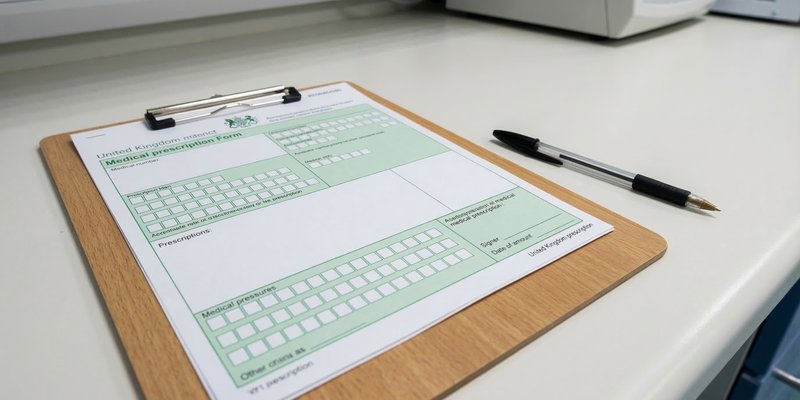
If you have a valid prescription from a registered specialist, you have the legal right to possess and use medical cannabis. Keep your prescription with you or have it readily available if requested by police.
Privacy and Medical Confidentiality
Your medical cannabis treatment is protected by doctor-patient confidentiality. Your doctor cannot disclose your treatment without your consent, except in limited legal circumstances.
Employment Rights
You're entitled to medical treatment, and employers should make reasonable adjustments for medical conditions. However:
- Some workplaces may have drug testing policies
- You may need to inform your employer about medical treatment
- Discrimination based on medical treatment is illegal
- Driving may be affected if you're impaired (see driving section below)
Safe Transportation
You can legally transport your prescribed medical cannabis if:
- You have a valid prescription
- The product is in its original container
- You can produce the prescription if asked
Driving with a Medical Cannabis Prescription
This is an important area where medical cannabis has specific legal implications:
The Law on Drug-Driving
Under the Road Traffic Act 1988, it's illegal to drive with THC in your bloodstream if it impairs your driving ability. Medical cannabis patients should note:
- THC can be detected in blood tests for 8+ hours after use, even if you're no longer impaired
- Detection doesn't equal prosecution if you can show you're not impaired
- CBD alone doesn't make driving illegal
- Being prescribed doesn't automatically exempt you from drug-driving laws, but it is a defense
- You must not drive if you're actually impaired
The Medical Defence
Importantly, the law includes a medical defense for prescribed cannabis:
- If you have a valid medical prescription from a GMC-registered doctor, you have a legal defense
- You must be able to show you're not actually impaired while driving
- Keep your prescription with you while driving
- If stopped, inform the police you have a medical prescription
- The defense covers responsible use as prescribed, not reckless use
Practical Guidance for Medical Cannabis Patients
If taking THC-containing cannabis and need to drive:
- Plan dosing carefully around driving (e.g., evening doses for daytime driving)
- Wait at least 6-8 hours after using THC-containing cannabis before driving
- CBD-only products allow normal driving as CBD doesn't impair
- Low-dose THC products have less driving impact than high-dose products
- Your specialist may advise on the best timing for doses given your driving needs
- Always carry your prescription as evidence of medical authorization
Travelling with Medical Cannabis: Within UK and Abroad
Travelling Within the UK (England, Scotland, Wales, Northern Ireland)
You can travel anywhere within the UK with your prescribed medical cannabis. To ensure smooth travel:
- Always carry your prescription with you
- Keep cannabis in original pharmacy containers (labeled with your details)
- Have written documentation from your specialist available if needed
- Inform border officials (if traveling between UK nations) that you have a medical prescription
- Keep contact details for your clinic in case questions arise
Travelling to Other Countries
This is critically important: Medical cannabis is NOT legal in most countries, even those with medical cannabis programs. If you're considering international travel:
Do NOT Transport Cannabis Internationally
- Attempting to take cannabis across borders is illegal in virtually all countries
- Penalties can be severe: imprisonment (years to decades), fines (thousands to millions), criminal record
- Having a valid UK prescription is NOT a defense in other countries
- Border security is extremely strict about cannabis products
Before International Travel
- Research destination laws: Check whether your destination country permits medical cannabis (very few do outside North America and parts of Europe)
- Some countries with medical exemptions: Canada, parts of USA, Netherlands, Germany, Spain (but regulations vary)
- Most countries: Complete prohibition, even for medical cannabis
- Get specialist advice: Contact your doctor for guidance on managing your condition while traveling
- Plan your treatment break: You may need to temporarily stop or adjust treatment during travel
- Explore medical alternatives: Some medications available in your destination country may help bridge your treatment gap
Alternative Strategies for International Travel
- Shorten your trip: Time your travel so you don't need treatment while abroad
- Travel within medical cannabis countries: Consider trips to countries where your prescription might be valid
- Remote clinic consultations: Some UK clinics can arrange consultations while you're abroad to continue treatment upon return
- Work with your specialist: Plan a temporary medication adjustment that doesn't involve taking cannabis internationally
Penalties for Illegal Cannabis Possession
Possession of Cannabis Without Prescription
If caught with cannabis without a valid medical prescription:
- Simple possession: Up to 5 years imprisonment and/or unlimited fines
- Aggravating factors: May result in harsher sentences
- Criminal record: A conviction can affect employment and travel
Importation or Supply
More serious offenses carry much harsher penalties, including up to life imprisonment for trafficking.
Workplace Testing
Drug Testing Policies
Some employers conduct drug testing. If you're taking medical cannabis:
- Inform your employer that you have a medical prescription
- Request workplace accommodations if needed
- Ask if they have procedures for medical cannabis exceptions
- Don't use cannabis at work unless prescribed and approved
Safety-Sensitive Roles
Some jobs (healthcare, transport, safety) may have restrictions even with medical cannabis. Discuss with your employer and specialist.
NHS vs Private Prescriptions
NHS Medical Cannabis
The NHS rarely prescribes medical cannabis. When they do:
- Typically only for epilepsy (Epidyolex brand)
- Requires multiple failed medications first
- Must be prescribed by hospital specialists
- Is free on prescription if approved
Private Medical Cannabis
Most patients access cannabis through private clinics:
- Clinics are legal and regulated
- Patients pay for consultations and prescriptions
- Greater variety of products available
- Faster approval process than NHS
Licensing and Regulation
Home Office Licensing
Cannabis cultivation and production in the UK is strictly controlled:
- Only licensed producers can grow medical cannabis
- All products must meet quality standards
- Products undergo testing for potency and contaminants
- Patients cannot legally grow their own cannabis
Quality Assurance
Medical cannabis products in the UK must:
- Be manufactured to pharmaceutical standards
- Include accurate labeling of cannabinoid content
- Be free of contaminants (pesticides, mold, heavy metals)
- Have consistent potency
Future Legal Changes
Cannabis legislation in the UK may evolve. As of 2026, there is ongoing discussion about:
- Expanding NHS prescribing of medical cannabis
- Potential changes to recreational cannabis policy
- Updates to guidance on qualifying conditions
- Changes to drug-driving laws
It's worth staying informed about potential legal changes that might affect you.
Your Responsibilities as a Patient
Keep Your Prescription
- Always carry your prescription or keep it accessible
- Ensure it's from a registered GMC doctor
- Keep it current with regular appointments
Follow Medical Advice
- Use cannabis only as prescribed
- Don't share your cannabis with others
- Attend follow-up appointments
- Report any problems to your specialist
Don't Break the Law
- Don't drive if impaired
- Don't transport internationally
- Don't use at work unless approved
- Don't give cannabis to others
Getting Legal Medical Cannabis
To ensure you're obtaining cannabis legally:
- Find a registered, reputable clinic
- Verify the doctor is GMC registered
- Get a written prescription
- Receive products from legitimate suppliers
- Keep your prescription for legal protection
Legal Disclaimer
This article is for informational purposes only and not legal advice. Cannabis laws are complex and specific situations may vary. If you need specific legal advice about your situation, consult with a solicitor specializing in medical law or criminal law. This information is accurate as of March 2026 but laws may change. Always consult with your doctor and verify current regulations before acting. In case of legal concerns, seek professional legal advice.